
The Best-Kept Secret in Scuba: Why You Should Dive Raja Ampat in the Low Season

When most divers think of planning a trip to Raja Ampat, they immediately look at the calendar between October and April. It’s no secret that the "high season" brings nutrient-rich waters and a boom in Manta Ray activity. But what happens to the world’s most biodiverse marine sanctuary from May to September?
Often labeled the "low season" or "off-season," these summer months are actually one of the diving world's best-kept secrets. If you're willing to embrace a little ocean breeze for uncrowded reefs, you are in for an unforgettable, exclusive experience.
Here is why the low season might just be the absolute best time to dive Raja Ampat;
1. Crystal-Clear Visibility

During the high season, the same nutrient-rich plankton blooms that attract the giant mantas also drop underwater visibility to around 15–20 meters. In the low season, the plankton clears out, leading to a dramatic increase in water clarity. Divers frequently enjoy crystal-clear visibility stretching up to 30 meters (100 feet)! This pristine water quality reveals the true scale of Raja Ampat’s vibrant coral gardens, drop-offs, and intricate reef systems, making it a dream scenario for underwater photographers.
2. You’ll Have the Reefs to Yourself

World-class dive sites inevitably attract crowds, and during the peak winter months, it is common to share famous sites with multiple liveaboards and dive groups. From May to September, the crowds thin out significantly. You'll experience smaller dive groups, a much more relaxed pace, and a deeply personal connection with the ocean. It is entirely possible to surface from a spectacular drift dive and realize your boat is the only one in sight.
3. Bright Summer Skies & Breezy Days

There is a common misconception that the "off-season" means gloomy weather. In reality, the skies in Raja Ampat during these months are mostly super bright and sunny, feeling exactly like the peak of summer! It is the perfect weather for soaking up the sun on the boat between dives.
The trade-off for these bright skies is the wind. The seasonal winds are indeed quite strong during these months, bringing a refreshing breeze that keeps the tropical heat incredibly comfortable. While the strong winds do mean the surface of the ocean can get choppy, there is nothing to worry about. Once you descend, the water is as peaceful as ever, and experienced local captains know exactly how to navigate the breeze to find the most protected, sheltered sites for a smooth dive.
4. A Macro Photographer's Paradise
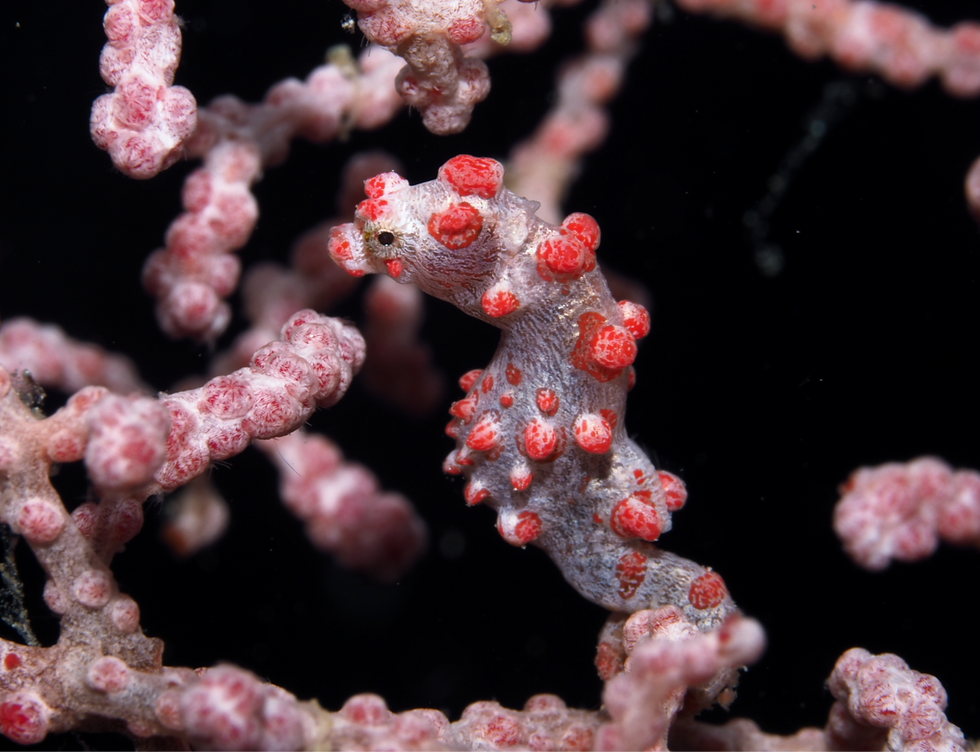
While you might see fewer oceanic mantas, Raja Ampat’s staggering biodiversity doesn't pack up and leave. The reefs are teeming with life year-round. Because the water is clearer and the dive sites are quieter, you can take your time scanning the seafloor for:
Endemic Epaulette "walking" sharks
Weird and wonderful Wobbegong sharks resting under coral tables
Vibrant nudibranchs, elusive mandarin fish, and tiny pygmy seahorses
Large pelagics like schooling barracuda, reef sharks, and turtles
5. Incredible Value and Flexibility

Because demand is lower, traveling to Raja Ampat during the summer months is friendlier on the wallet. You will often find excellent low-season discounts on accommodation, flights, and dive packages. Furthermore, you’ll have far more flexibility in your itinerary, allowing you to book your dream homestay or resort without needing to reserve your spot a year in advance.
The Bottom Line
Are the winds stronger and the surface seas a bit choppier? Yes sometimes. But the skies are beautifully bright, the water temperature remains a balmy 28–29°C (82–84°F), the visibility is breathtaking, and the sheer intimacy of having the Coral Triangle practically all to yourself is a luxury money can't buy.
Ready to experience the magic of Raja Ampat without the crowds?
Let the team at Soul Scuba Divers show you our favorite quiet, protected spots. Contact us today to start planning your personalized low-season adventure!



Comments