
Plan Your First Dive Trip to Raja Ampat: focus on essentials and simplicity
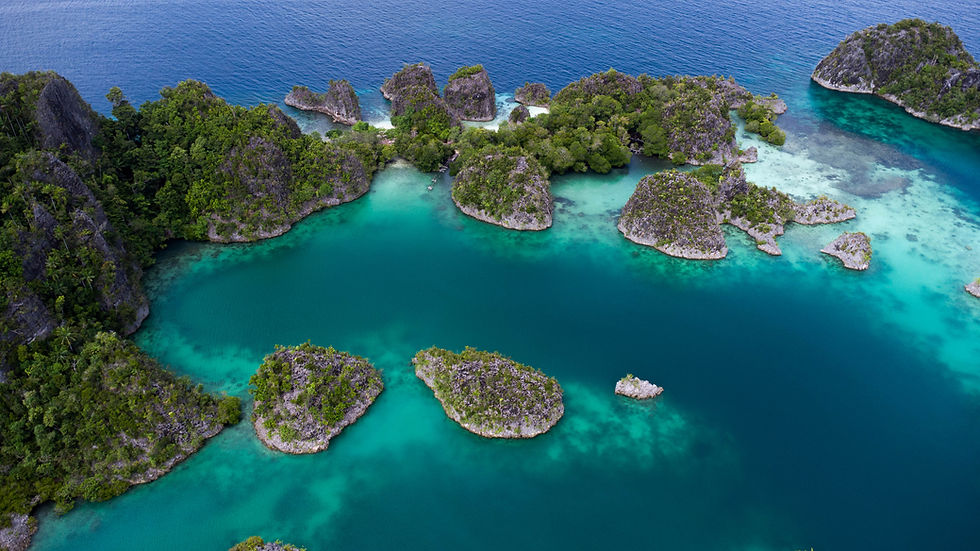
Dreaming of crystal-clear waters and world-class reefs, but dreading the travel logistics? Many divers put off visiting Raja Ampat because they assume reaching this remote Indonesian archipelago is a complicated, stressful ordeal. The truth is, getting here is much more straightforward than it seems once you know how the local infrastructure works.
If you are putting together your first itinerary, here is a practical guide to navigating the logistics, booking your dives, and knowing exactly what to expect.
🤫 Insider Tip: Consider the Low Season
Most guides will tell you to visit between October and April for peak Manta Ray encounters. However, diving during the low season (May to September) is a fantastic, well-kept secret.
Because there is less plankton in the water, visibility often jumps to an incredible 30 to 50 meters. There are also far fewer visitors, meaning you get top-tier dive sites—like Blue Magic—almost entirely to yourself. As a bonus, traveling during these months often means scoring better rates on domestic flights and accommodations.
🗺️ Navigating Transportation to Kri Island
You generally have two main options for getting from the mainland (Sorong) out to the islands, depending on your travel style and budget.
Option 1: Scheduled Direct Transfers with Soul Scuba Divers
If you want to keep things simple, you can take advantage of our inclusive scheduled group transfer provided directly by the dive center.
Outbound: Departs Sorong every Sunday at ~8:00 AM.
Return: Departs Kri every Saturday at ~2:30 PM.
Meeting Point: Usaha Mina Port in Sorong (Note: you will need to catch a quick taxi from the airport or your hotel to the port, as airport pickups generally aren't provided).
Flight tip: If your inbound flight lands after 7:30 AM on a Sunday, you will miss the boat. It is always safer to arrive on Saturday and spend one night in Sorong.
Option 2: The Independent Route (DIY)
If you are traveling on a tighter schedule, arriving mid-week, or just prefer to travel independently, it is very easy to make your own way. You can catch the daily public ferry from Sorong to Waisai. Once you dock at Falaya Harbour in Waisai, you will need to find and arrange your own local longboat transport for a scenic ride directly to your Kri Island accommodation.
Keep these key details in mind when arranging your longboat transfer:
Find Your Own Ride: There isn't a formalized ticket booth for the longboats; you will need to approach the captains at the docks in Falaya yourself to secure a ride.
Negotiate the Rate: The cost of the longboat can usually be bargained. The baseline is generally less than $50, but it depends on your negotiation skills and the current conditions.
Agree Before Boarding: Always make sure you and the captain are in clear, firm agreement on the final price before you load your bags or get on the boat to avoid any miscommunications later.
Share the Fare: You can significantly reduce the cost of the trip by finding other travelers at the harbor who are heading to Kri Island and splitting the boat with them.
Prioritize Safety: Always listen to the captain regarding the maximum number of people the boat can transport safely. Even if you want to split the fare with more travelers, never pressure a captain to overload the vessel.
🛖 Choosing Your Stay: The Homestay Experience
Booking a local homestay on Kri Island is an authentic way to experience the culture and support the community.
Crucial Booking Rule: If you are diving with Soul Scuba Divers, you must book a homestay that does not have its own dive operator.
Exceptions: You are clear to dive with us if you stay at Yenbuba Homestay or Gibran Homestay.
Bungalow Styles
Over-Water Bungalows: Perfect for ocean views, sea breezes, and direct water access, but more exposed to wind and weather.
Land-Based Bungalows: Tucked on the beach or in the jungle. They offer more shade, better shelter from the weather, and are closer to shared amenities like bathrooms.
The Jetty Factor
Extreme low tides expose shallow, sharp reef flats.
With a Jetty: Effortless dive boat pickups and easy swimming, regardless of the tide.
Without a Jetty: You cannot walk over the exposed reef (it damages the coral and is dangerous). Instead, you will have to carry your gear and walk along the beach to use a neighboring homestay's jetty. Always check for jetty access when booking!
Island Wildlife & Food Storage
You are sharing the island with nature—including rats.
Never store exposed food or snacks in your room: Pack edibles away securely. Homestays often provide hard plastic boxes to protect your goods from pests. If not, ask your host about storing food in the communal dining area.
🌊 Structuring Your Dive Itinerary
When planning your dives, you can either lock in a comprehensive package or build an à la carte schedule.
Hassle-Free Packages: If you want your logistics completely handled, you can book an all-inclusive dive package. Our packages include your scheduled Sorong/Kri port transfers, marine park fees, night dives, and adventure trips.
“Easy Life” Package: 1 Week (6 days of diving)
“I Love My Life” Package: 2 Weeks (12 days of diving) (If you book a package but choose the DIY transport route mentioned above, the transport fee will simply be deducted from your total).
À La Carte Diving: If you prefer a more flexible schedule, you can book specific dives in advance. To dive with us à la carte, there is a minimum booking requirement of 6 dives. You can structure this to fit your itinerary by doing:
2 dives per day over 3 days, OR
3 dives per day over 2 days
The Daily Routine: To give you an idea of a typical day of diving, schedule usually runs like this:
Morning: 2 dives starting at 7:30 AM
Afternoon: 1 dive at 2:30 PM
Night: 6:30 PM (Monday through Friday) (Keep in mind that we are closed on Sundays!)
🎒 Practical Advice: Packing, Payments & Connectivity
Leave the Stacks of Cash Behind: Traveling to remote islands with wads of physical cash is a common stressor for divers. Thankfully, you don't need to. We easily accept card payments and bank transfers.
Toiletries & Meds: Be sure to pack your essential personal medicines, reef-safe sunscreen, mosquito repellent, and natural soap/shampoo to protect the local ecosystem. If you forget anything or run out, you can usually buy these eco-friendly essentials directly at the dive center.
Internet Access: You don't have to go entirely off-grid unless you want to. The local network provider (Telkomsel) offers reliable mobile data coverage, and several homestays have even upgraded to high-speed Starlink Wi-Fi.
⚠️ A Final Note on Safety
When booking your outbound flights, always factor in your surface interval! You must allow a strict 18–24 hours between your last dive and your flight to safely off-gas nitrogen and avoid decompression sickness.
Raja Ampat is an unparalleled dive destination, and with a little bit of straightforward planning, your first dive trip to Raja Ampat is a breeze. Safe travels, and enjoy the reefs!


I really appreciate this practical and easy-to-follow guide for first-time divers. Focusing on simplicity makes the trip feel much less overwhelming for beginners. Reading experiences like this reminds me how valuable clear guidance is, whether planning a dive or searching for resources like publish near me. Thanks for sharing such helpful advice, and I look forward to reading more of your travel insights.